
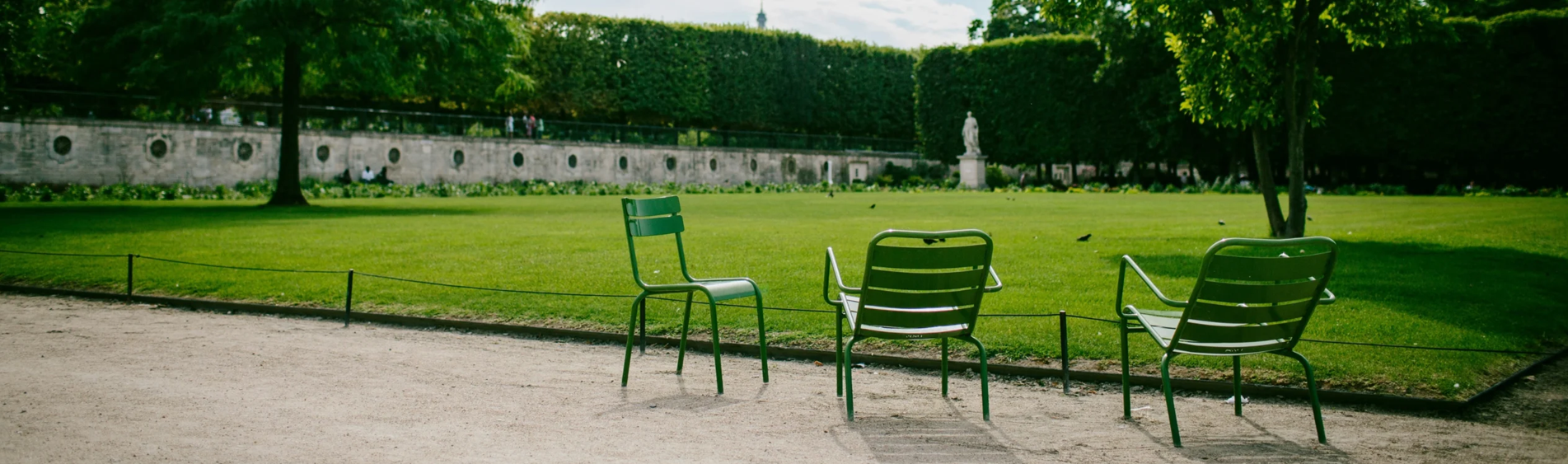
“Cities were mostly designed by people who didn’t use them.”
The nature of our business puts us in touch with some fascinating individuals. The quote I led with is from a chat I was having with Catherine Barratt, Managing Director of Furnitubes, a company based in England that produces urban outdoor furniture. Working with Furnitubes, and speaking with Catherine in particular, confirms that we don’t need to be engaged in the same business activity to share a set of values.
One of our shared obsessions is to do all we can in a way that has lasting impact because this makes the most sustainable use of resources. It preserves time, materials, and financial resources.
Another shared value is that all we do should benefit as wide an audience as possible. And in the case of Furnitubes, this is taken to mean absolutely everyone.
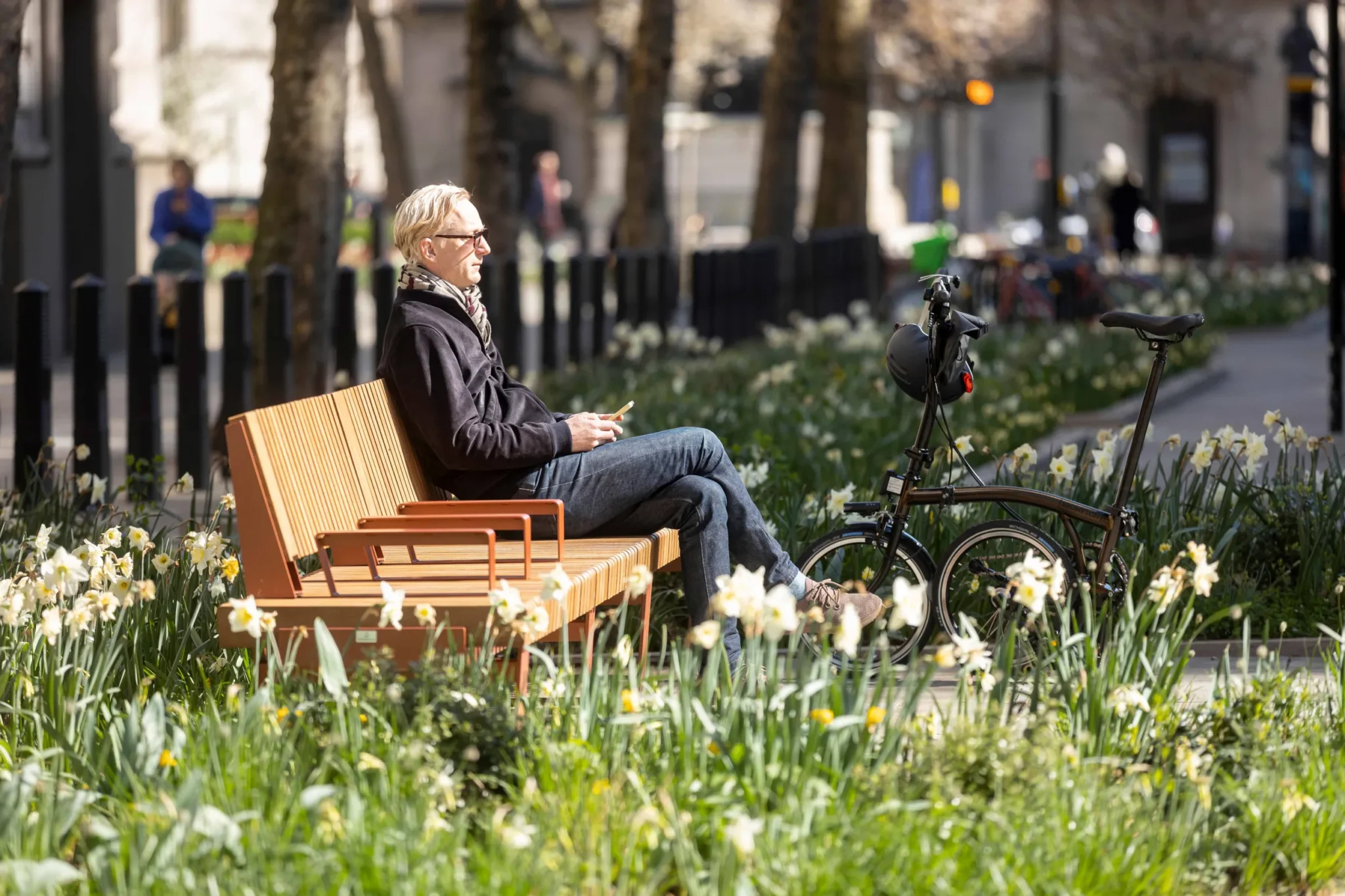
Consider the supply chain of outdoor urban furniture. The bench you sit on when you’re in a public space like a city square has been manufactured by a company like Furnitubes, directly paid for by the city council, chosen by an urban planner or designer, and finally you get to take a moment’s pause by sitting on it. It is you, this last person in the chain, who has indirectly paid for it all because it’s ultimately our taxes that build cities.
Despite this, for the longest time, cities have been designed by people who were designing for themselves. They didn’t consider other demographics, nor did they take the wellbeing of a large group of people into account. Cities were largely designed for the efficiency of trade and this meant that transportation was central to this design. We built cities around cars and us humans had to make the adjustments necessary to give traffic the highest priority.
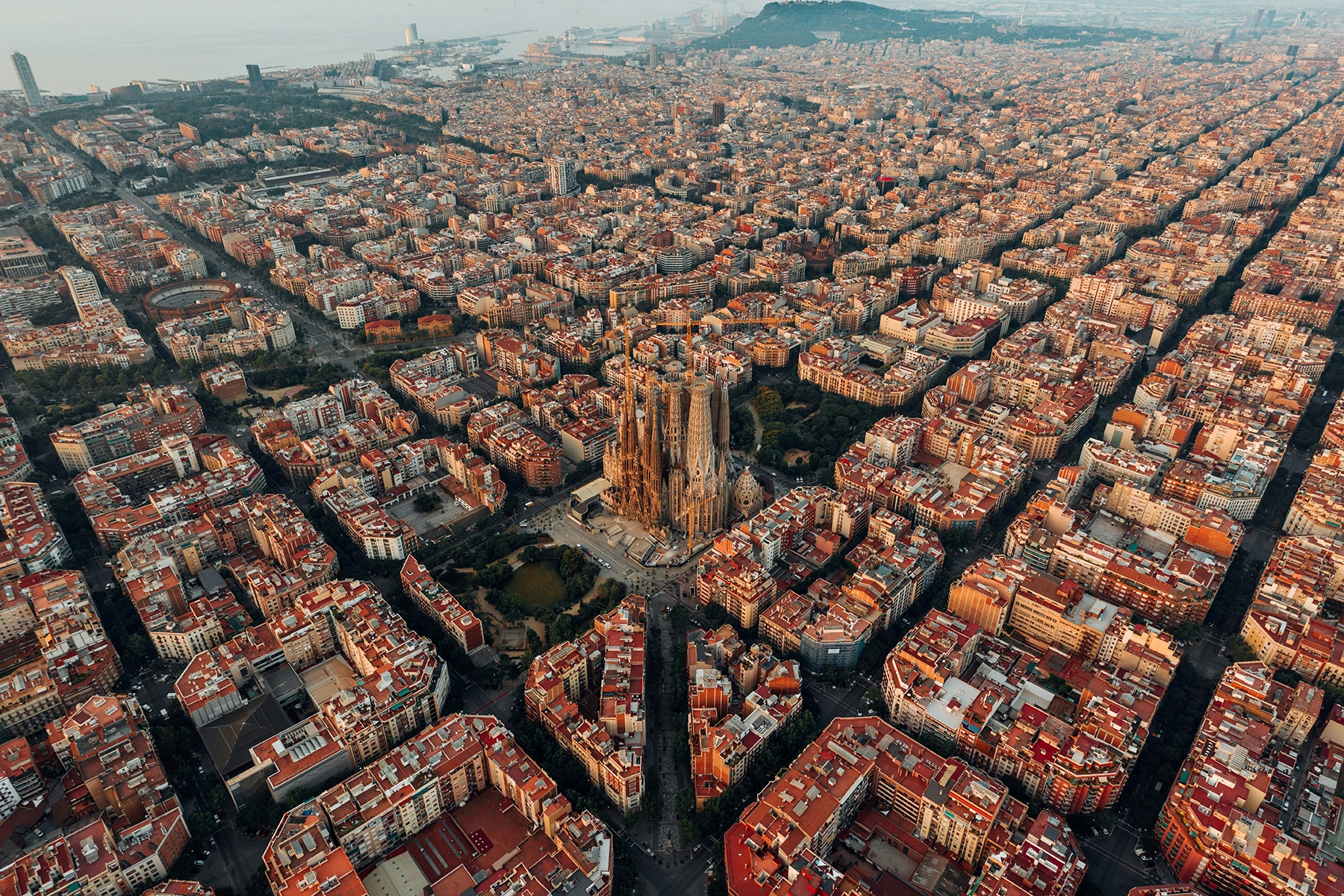
In the past, we designed with humans in mind. Barcelona, for instance, was designed to take into account that a high population density will need more open spaces if they are to feel like they can breathe in the city. Cities like Rome and Athens were designed to leave a legacy of beauty behind.
The discourse surrounding the transformation of urban spaces is both timely and essential, as the delineation between indoor refuge and our time spent outdoors becomes ever more pronounced. As we spend more time indoors, the time we spend out of our homes becomes even more precious. And this serves as an imperative for our urban environments to provide us with a healthy dose of wellbeing.
Catherine is fully immersed in this sentiment. When speaking about the way they regard their role in society, she states that, “if you make an area welcoming and functional, it has ripple effects across the whole community. People look after spaces they value, crime goes down, and health indicators improve. We strive to build long-lasting products that benefit the public,” she says. “Our decisions are made with a better future in mind.”
How can the manufacturing industry participate in this movement?
Catherine believes the private sector has an important role to play. “The private sector has a moral imperative to lead this charge,” she contends. “Businesses must demonstrate the potential and the value of sustainable, human-centric urban design. Every park bench, every planter, every element we introduce into the urban fabric should be a testament to our belief in a more beautiful, more connected future.” And this is the way she leads Furnitubes, to set an example through sustainable practices and innovative design that puts people first.
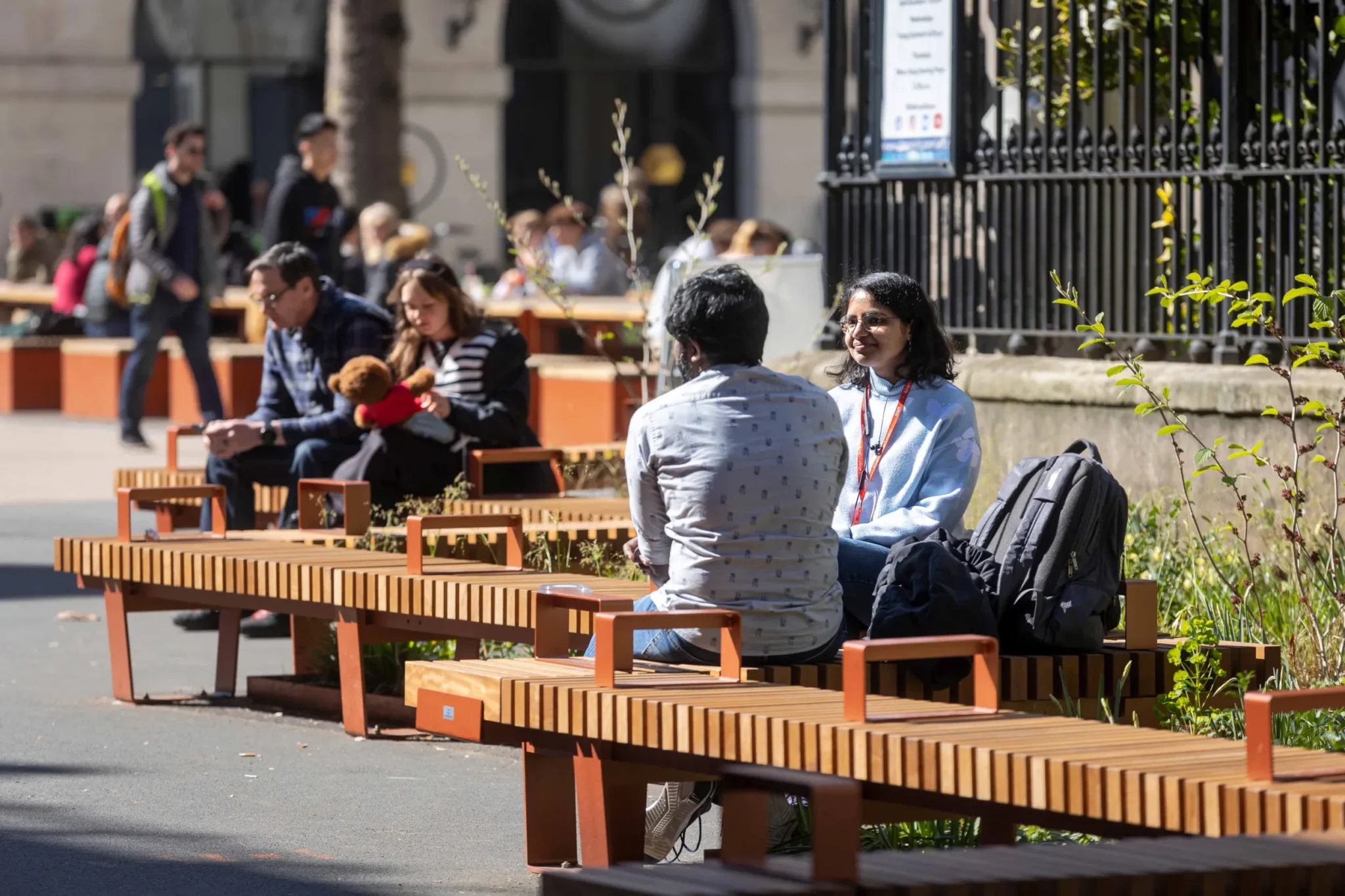
Peering into the future, Catherine adopts an optimistic stance regarding the trajectory of urban planning.
She sees cities that embrace human-centric design, nurturing environments that are not only livable but also enriching and inclusive. This forward-looking perspective shows that well-conceived urban spaces can act as catalysts for community, creativity, and well-being
And this reflects a broader commitment to building cities that not only function efficiently but also resonate on a deeper, more personal level: “We have a responsibility to leave a legacy of functional beauty. Beautiful outdoor spaces add value to the lived experience of all those who make use of them. This is what great cities do.”
These are great platforms for us to build a better future on. Innovative design and manufacture around the world gives us a glimpse at what’s possible when manufacturing leads, rather than follows. A new generation of savvy customers are demanding better. The time for inspiring, responsible, and lasting manufacture is here. If we keep this vision in mind, we stand a chance at building the world that we and future generations deserve.
![The Power of Clarity [Webinar]](https://switch.com.mt/wp-content/uploads/2025/07/2025-Switch-Webinar-Ed-Landing-Page-V2-320x240.jpg)